Can liquid nails be used for furniture repair?
Furniture repair is a common task that many homeowners and DIY enthusiasts undertake to extend the lifespan of their beloved pieces. One question that often arises is whether liquid nails can be an effective solution for furniture repair. As a supplier of liquid nails, I'm here to explore this topic in depth and provide you with all the information you need to make an informed decision.
What are liquid nails?

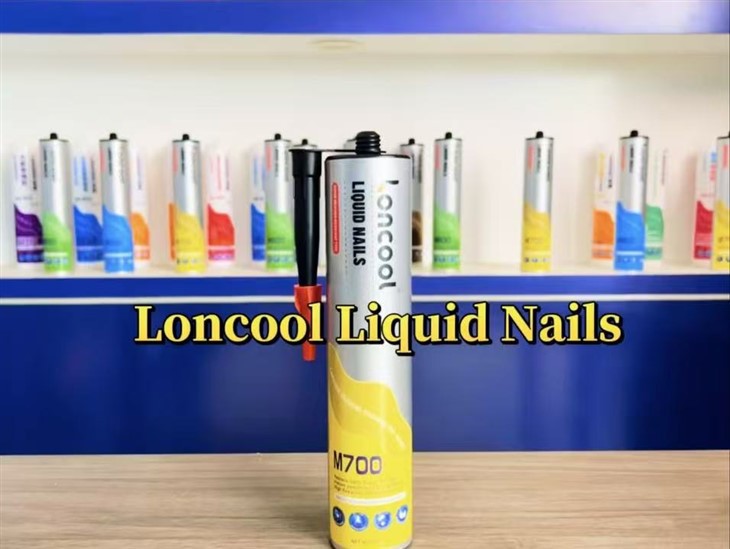
Liquid nails are a type of adhesive that comes in a tube, similar to caulking. They are designed to bond a variety of materials together, including wood, metal, plastic, and ceramic. Liquid nails are known for their strong holding power and are often used in construction and home improvement projects.
Advantages of using liquid nails for furniture repair
- Strong bond: Liquid nails provide a strong and durable bond that can withstand the stress and strain of daily use. This makes them ideal for repairing loose joints, broken legs, or other structural issues in furniture.
- Easy to use: Unlike traditional wood glue, liquid nails do not require clamping or special tools. Simply apply the adhesive to the surfaces to be joined, press them together, and let the liquid nails dry. This makes the repair process quick and hassle-free.
- Versatility: Liquid nails can be used on a wide range of materials, making them suitable for repairing different types of furniture. Whether you have a wooden chair, a metal table, or a plastic cabinet, liquid nails can provide a reliable bond.
- Waterproof: Many liquid nails are waterproof, which means they can be used for outdoor furniture or in areas prone to moisture. This makes them a great choice for repairing furniture in the bathroom, kitchen, or patio.
Types of liquid nails for furniture repair
There are several types of liquid nails available on the market, each with its own unique properties and applications. Here are some of the most common types of liquid nails for furniture repair:
- Liquid Nails Heavy Duty: This type of liquid nails is designed for heavy-duty applications and provides a strong and permanent bond. It is ideal for repairing large or heavy furniture pieces, such as tables, cabinets, and dressers.
- Liquid Nails Construction: Liquid Nails Construction is a versatile adhesive that can be used for a variety of construction and home improvement projects. It is suitable for bonding wood, metal, plastic, and other materials, making it a great choice for furniture repair.
- No More Nails: No More Nails is a popular brand of liquid nails that is known for its strong holding power and ease of use. It can be used for both indoor and outdoor furniture repair and is suitable for a wide range of materials.
How to use liquid nails for furniture repair
Using liquid nails for furniture repair is a relatively simple process. Here are the steps to follow:
- Prepare the surfaces: Clean the surfaces to be joined thoroughly to remove any dirt, dust, or grease. This will ensure a strong bond between the adhesive and the materials.
- Apply the liquid nails: Cut the tip of the liquid nails tube at a 45-degree angle and apply a bead of adhesive to one of the surfaces. Use a notched trowel or a putty knife to spread the adhesive evenly.
- Join the surfaces: Press the two surfaces together firmly and hold them in place for a few minutes to allow the adhesive to set. You may need to use clamps or weights to keep the surfaces in place while the liquid nails dry.
- Let the liquid nails dry: The drying time of liquid nails depends on the type of adhesive and the environmental conditions. Read the manufacturer's instructions for specific drying times. In general, it takes about 24 hours for liquid nails to fully cure.
- Trim the excess adhesive: Once the liquid nails have dried, use a sharp knife or a saw to trim any excess adhesive. Sand the surfaces smooth to give the furniture a professional finish.
Limitations of using liquid nails for furniture repair
While liquid nails can be a great solution for furniture repair, there are some limitations to keep in mind:
- Appearance: Liquid nails can leave a visible residue or mark on the surface of the furniture, especially if not applied carefully. This may affect the appearance of the repaired piece, especially if it is a visible area.
- Reversibility: Unlike traditional wood glue, liquid nails create a permanent bond that is difficult to reverse. If you need to disassemble the furniture in the future, you may have to damage the pieces to remove the adhesive.
- Heat and moisture sensitivity: Some liquid nails may be sensitive to heat and moisture, which can affect their bonding strength. Avoid using liquid nails in areas exposed to high temperatures or excessive moisture.
Conclusion
In conclusion, liquid nails can be a useful tool for furniture repair. They provide a strong and durable bond, are easy to use, and can be used on a wide range of materials. However, it is important to choose the right type of liquid nails for the job and to follow the manufacturer's instructions carefully. If you have any questions or need further advice on furniture repair or liquid nails, please don't hesitate to contact us. We are a leading supplier of liquid nails and can provide you with high-quality products and professional support. Let's start a conversation about your furniture repair needs and find the best solution together.
References
- Manufacturer's instructions for Liquid Nails Heavy Duty, Liquid Nails Construction, and No More Nails.
- DIY furniture repair guides and resources available online.