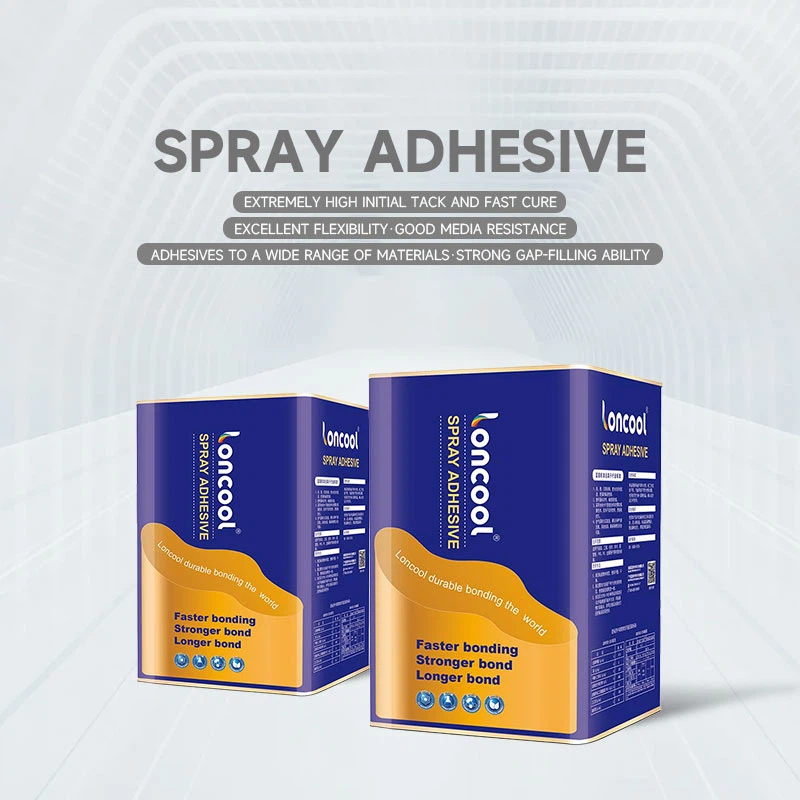
Are there any safety precautions when using spray adhesive?
As a supplier of spray adhesive, I understand that safety is of utmost importance when it comes to using our products. Spray adhesives are versatile and widely used in various industries, from crafts and DIY projects to industrial applications. However, like any chemical product, they require proper handling and safety measures to ensure the well - being of users.
Understanding Spray Adhesive
Spray adhesives work by creating a bond between two surfaces. They are available in different formulations, such as solvent - based, water - based, and hot - melt. Solvent - based spray adhesives are known for their strong bonding power and quick drying time. Water - based adhesives are more environmentally friendly and have a lower odor. Hot - melt spray adhesives are often used for high - temperature applications.
General Safety Precautions
Ventilation
One of the most crucial safety precautions when using spray adhesive is proper ventilation. When you spray adhesive, it releases fumes into the air. In a poorly ventilated area, these fumes can accumulate and cause health problems. Solvent - based adhesives, in particular, contain volatile organic compounds (VOCs) that can be harmful if inhaled in large quantities.
For small DIY projects, it is recommended to work in an open area, such as a backyard or a well - ventilated garage. If you are working indoors, open windows and doors to allow fresh air to circulate. In industrial settings, exhaust fans or ventilation systems should be used to remove fumes from the work area.
Personal Protective Equipment (PPE)
Wearing appropriate personal protective equipment is essential. This includes:
- Gloves: Gloves protect your hands from direct contact with the adhesive. Nitrile or latex gloves are commonly used. They prevent skin irritation and potential allergic reactions.
- Safety Goggles: Goggles protect your eyes from accidental splashes or overspray. If adhesive gets into your eyes, it can cause irritation, pain, and even damage to the eyes.
- Respirator: A respirator is necessary, especially when working with solvent - based adhesives. It filters out harmful fumes and particles from the air you breathe. Make sure to choose a respirator that is rated for the specific chemicals in the adhesive.
Storage
Proper storage of spray adhesive is also important. Store adhesives in a cool, dry place away from direct sunlight and heat sources. High temperatures can cause the adhesive to expand and potentially burst the container. Keep adhesives out of reach of children and pets.
Specific Precautions for Different Types of Spray Adhesives
Solvent - Based Spray Adhesives
Solvent - based spray adhesives are highly flammable. Keep them away from open flames, sparks, and heat sources. Do not use them near electrical equipment that could generate sparks. When using solvent - based adhesives, make sure the work area is well - ventilated to prevent the build - up of flammable vapors.
Water - Based Spray Adhesives
Although water - based adhesives are generally considered safer than solvent - based ones, they can still cause skin and eye irritation. Follow the same PPE guidelines as for solvent - based adhesives. Also, be aware that some water - based adhesives may contain additives that can be harmful if ingested.
Hot - Melt Spray Adhesives
Hot - melt spray adhesives are applied at high temperatures. Use caution when handling the adhesive gun or applicator to avoid burns. Allow the adhesive to cool completely before handling the bonded materials.
Handling and Application
Surface Preparation
Before applying spray adhesive, make sure the surfaces are clean and dry. Dust, dirt, and moisture can affect the bonding strength of the adhesive. Use a clean cloth or a suitable cleaning agent to prepare the surfaces.
Spray Technique
When spraying the adhesive, hold the can at the recommended distance from the surface. This distance is usually specified on the product label. Spray in a smooth, even motion to ensure uniform coverage. Avoid overspray, as it can create a mess and waste the adhesive.
Drying Time
Allow the adhesive to dry completely before bonding the surfaces. The drying time can vary depending on the type of adhesive, humidity, and temperature. Do not rush the process, as premature bonding can result in a weak bond.
First Aid Measures
In case of accidental exposure to spray adhesive, it is important to know the appropriate first - aid measures:
- Skin Contact: If adhesive gets on your skin, wash the area immediately with soap and water. Do not use solvents to remove the adhesive, as they can further irritate the skin.
- Eye Contact: If adhesive gets into your eyes, flush them with plenty of water for at least 15 minutes. Seek medical attention immediately.
- Inhalation: If you inhale a large amount of adhesive fumes, move to a well - ventilated area. If you experience dizziness, nausea, or difficulty breathing, seek medical help.
Additional Safety Products
In addition to spray adhesives, we also offer Spray Silicone, which has its own set of safety precautions. Spray silicone is often used for lubrication and protection. When using spray silicone, follow similar safety guidelines as for spray adhesives, such as proper ventilation and wearing PPE.


Conclusion
Using spray adhesive safely is essential for both personal well - being and the success of your projects. By following the safety precautions outlined above, you can minimize the risks associated with using these products. As a spray adhesive supplier, we are committed to providing high - quality products and ensuring that our customers are well - informed about their safe use.
If you are interested in purchasing our spray adhesives or have any questions about their safety and application, we encourage you to contact us for a procurement discussion. We have a team of experts who can guide you through the selection process and provide you with all the necessary information.
References
- "Safety Data Sheets" of various spray adhesive products.
- Industry standards and guidelines for the use of chemical adhesives.